Beach leash work is its own sport. The sand gives, the wind rearranges smells every minute, and the horizon pulls at a dog’s instincts in ways the backyard never will. If you live in Virginia Beach and want your dog calm, controlled, and confident on the shore, you need a plan that respects the seasons, the local rules, and the realities of a working dog. I coach leash training here for years, and I have taken dogs from tight, anxious leashes to relaxed, loose walking even when seabirds dive and waves crash. These are practical, seasonal tips that reflect what actually works on our coast.
Why this matters
A loose leash on the beach is not just nicer for you. It keeps your dog Dog Training Virginia Beach Coastal K9 Academy safer around fast-moving water, crowded boardwalks, and other dogs that might not be as well trained. Virginia Beach enforces seasonal leash laws in some areas, and lifeguard zones change foot traffic patterns throughout the year. Investing time now saves stress, fines, and an incident later. The reward is simpler than you think: more calm walks, more freedom, and more chances to enjoy the ocean together.
Know your local rules and rhythms
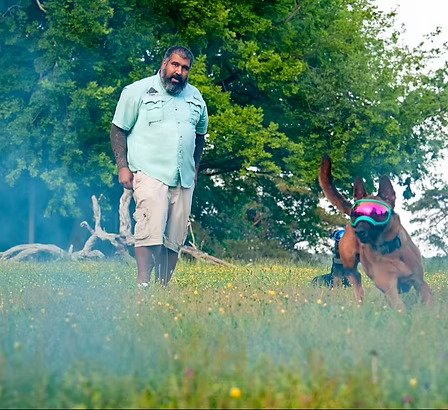
Virginia Beach has specific rules that change depending on time of year and location. Sections of the beachfront are leash-required year-round, and during the busy summer months many municipalities and parks tighten enforcement. Before you plan a training session, check the city website or a trusted local resource for days and zones that require leashes. Pay attention to lifeguard hours, seasonal dog hours on the boardwalk, and special events like races that close parts of the shore.
Beyond the law, observe the human rhythms. Weekends in July feel different from weekday mornings in March. Fewer people and dogs in off-season make early spring and late fall perfect for focused leash work, when distractions are manageable and weather is forgiving. Peak summer teaches impulse control under pressure, so plan at least one high-distraction session each season to generalize the behavior.
Gear that helps, not hinders
Choose equipment that gives you control without forcing the dog. A front-clip harness or a martingale collar helps dogs who pull, because they redirect motion rather than brace against it. For dogs that are sensitive around waves, a harness with a handle gives a quick, humane way to steady them if they lunge. Keep the leash between four and six feet for training. Retractable leashes look appealing on the beach but teach dogs to run the limits of your arm span; they complicate teaching a reliable recall and should be avoided during leash training.
Checklist: essential gear for seasonal leash training (compact and ocean-ready)
Front-clip harness or well-fitting martingale collar, size-checked monthly as coats and body condition change. 4 to 6 foot leash in a rugged material that resists salt and sand. High-value treats that resist melting in summer heat, plus a treat pouch. Portable water bowl and a small first-aid kit for minor cuts or hot-paw care. Lightweight towel and a spare leash or collar, because sand and salt find everything.Spring, the season for foundation work
Spring is when most dogs are shedding, waking up from slower winter routines, and rediscovering outdoor drive. Use this season to reinforce the basics: heel, loose leash walking, and recall. Start in quiet neighborhoods or the sand near less trafficked dunes. Short sessions of five to ten minutes, two to three times a day, work better than a single long walk that lets frustration accumulate.
Concrete drill: name the behavior you want, then reward it. If you want your dog walking beside you, mark the position with a consistent word or a click from a clicker, then reward within one second. Build duration slowly. If your dog can stay in position for five steps, reward. Then seven, then twenty. Always finish on a success. Overtraining until a dog frustrates or tunes out slows progress.
Spring trade-off to watch for: high drive and mud. Dogs who have been cooped up can be extra reactive to seabirds, joggers, and bikes. Expect more lunges early on, and counter that by lowering the stakes. Decrease distance to distractions with a clear boundary, practice short engagements, and reward calm behavior more than perfect performance.
Summer, distractions and heat management
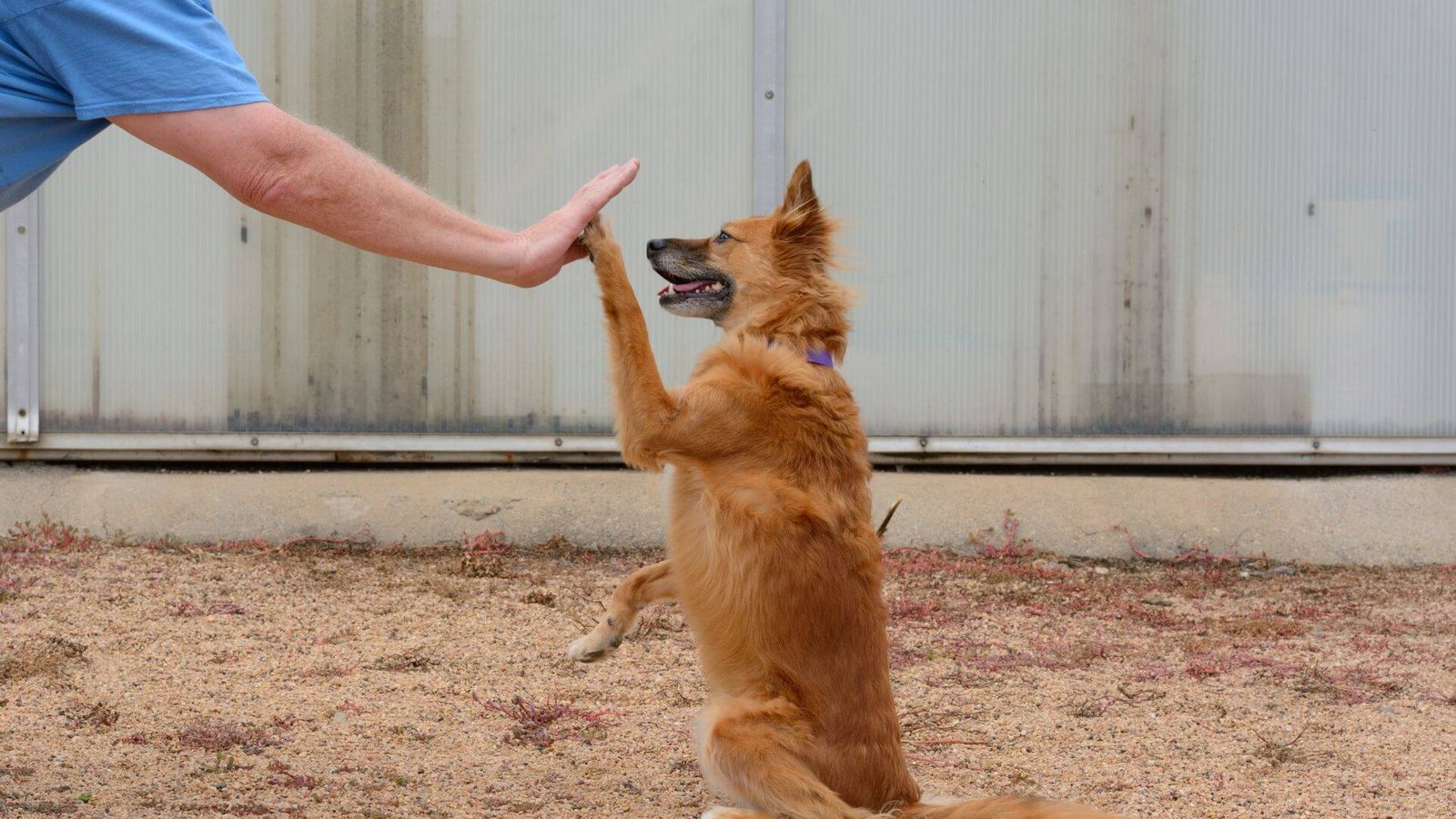
Summer is where leash training faces its hardest test. Crowds, beach vendors, music, and off-leash dogs flooding in mean your dog must be reliable in higher stakes conditions. Shift your priorities from building new skills to maintaining them under distraction, and protect your dog from heat.
Timing is everything. Early morning or late evening sessions avoid the hottest part of the day and the heaviest crowds. On sunlit summer days, the sand can reach temperatures that burn paw pads. Test the sand with your hand; if it is too hot for you, it is too hot for your dog. Bring water, and keep training sessions short and purposeful.
Example plan for a summer high-distraction walk: start with five minutes of focus work near your car or a quiet side street, then move to the boardwalk for a 10 to 15 minute controlled walk, keeping your dog on a short leash and rewarding position frequently. Finish back at a shaded spot with a treat and water. This sequence reinforces focus despite increasing stimuli.
Summer trade-offs include limiting exercise at peak heat, and accepting partial progress. A dog that stays near you when a crowd passes is a success, even if they break position to sniff afterwards. Rebuild rigor as temperatures cool.
Fall, the season for reinforcing recall and off-leash transitions
Fall brings cooler sand and calmer winds, plus migrants and shifting shorelines that create new smells to explore. If you have a secure, fenced area or a local off-leash park that allows supervised exercise, fall is an excellent season to practice recall and controlled off-leash play. Transfer leash cues to verbal cues in small steps, always returning to the leash as the primary reinforcement if distractions escalate.
Practical detail: when transitioning between on-leash and off-leash, use a long line rather than removing the leash outright. A 20 to 30 foot line gives the dog freedom to explore while you maintain ultimate control. Practice recalls from moderate distance with varying rewards, sometimes a toy, sometimes a treat, sometimes the chance to continue exploring. This unpredictability strengthens the recall.
Edge case: dogs with strong chase drive or a history of escaping are not candidates for off-leash transition without rigorous testing. Work with a professional if your dog has failed recall or has a high prey drive. Coastal K9 Academy, for instance, offers structured classes and real-world practice sessions in Virginia Beach that replicate local beach conditions, which helps owners and dogs generalize behavior safely.
Winter, focus on conditioning and occasional exposures
Winter light in Virginia Beach means fewer people and calmer beaches. Use these conditions to polish skills without the pressure of heavy crowds. Dogs may be less driven, which makes training easier for focus but harder for motivation. Rotate rewards to keep interest. Toys that squeak, small pieces of cooked chicken, or kibble mixed with a high-value topper work well.
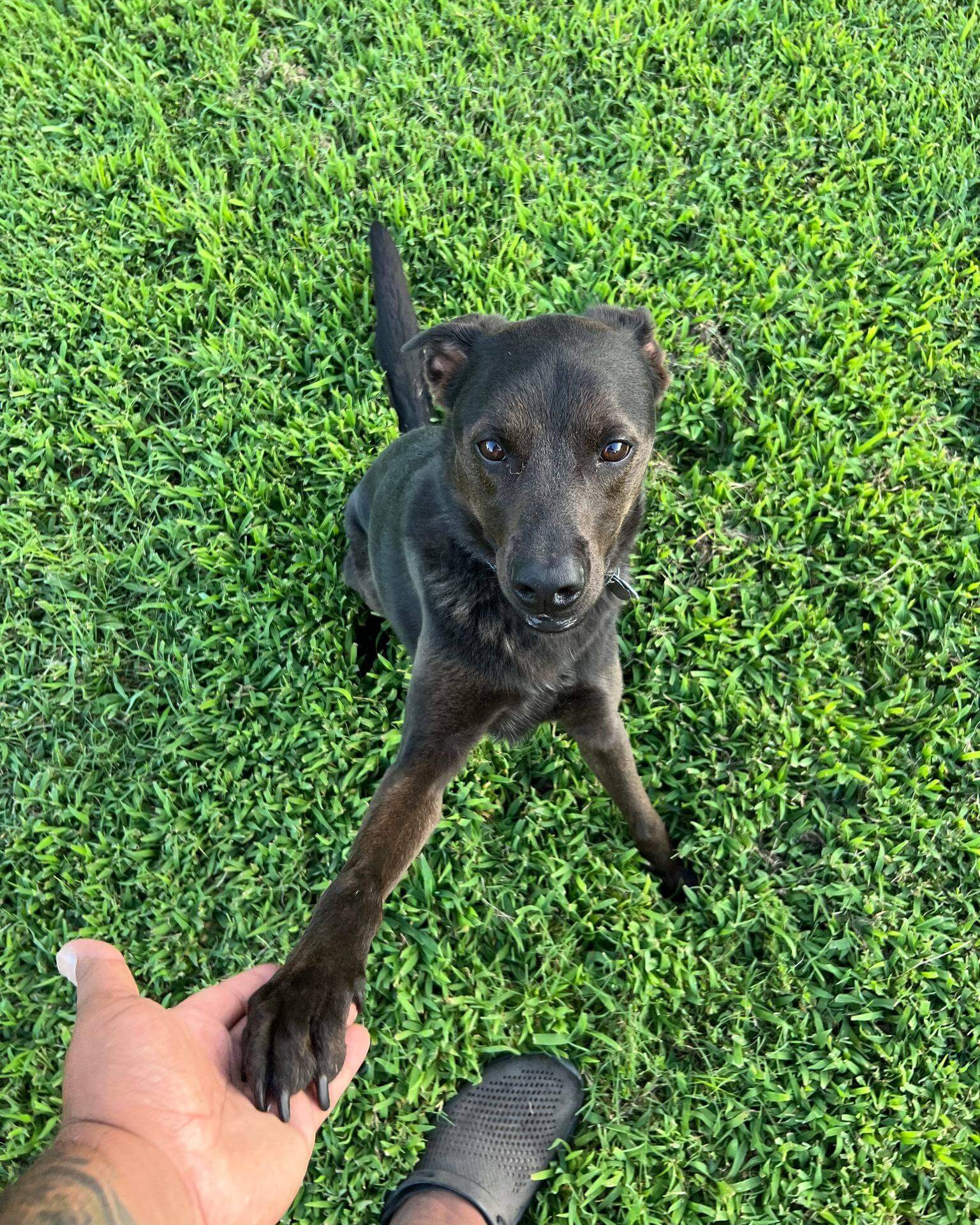
Winter is also a time to condition for the coming year. Strengthen leash manners and physical conditioning with longer walks on packed sand, which is easier on joints than loose sand. Practice emergency recall and handling skills such as being comfortable with a leash put on quickly, or responding to a firm heel cue when unexpected wildlife appears.
Trade-off to consider: cold, wet fur can make a dog less willing to engage. Shorter, more frequent sessions beat single long outings that leave both of you chilled and irritated. Bring a dry towel and offer a warm place to relax after work.
Practical training methods that actually work on the beach
The beach rewards clarity. Dogs do not generalize well from one context to another, so explicitly practice walking on the sand. Reinforce small wins frequently, and scale distractions gradually. If your dog lunges at birds, break down the behavior into manageable steps. First, reward for noticing a bird without moving. Then, reward for turning back to you after a bird appears. Finally, work on maintaining position as a bird flies by.
Use three consistent cues: a release word for when the dog is allowed to explore, a focus word to bring attention back to you, and a safety word for calls that require an immediate response. Keep the safety word reserved for genuine emergencies, so it retains meaning.
Real-world example: I worked with a two-year-old Labrador who would bolt toward any dog in sight. We used a high-value treat, a front-clip harness, and a planned route that passed other dogs at a distance of at least 30 feet. Over four weeks, we halved that distance and introduced brief greetings under tight handler control. The owner practiced three times per week with short sessions, and the dog’s lunging changed to sitting and watching, because sitting produced immediate reward and symmetry with the handler’s calm energy.
When to call a professional
Some problems need professional help. If your dog has a history of aggressive behavior toward other dogs or humans, if recalls fail when a credible distraction is present like a deer or off-leash dog, or if your dog shows panic around waves, consult a trainer. Finding a trusted dog trainer near me can be as simple as checking local reviews, asking for video examples of training in similar environments, and verifying that the trainer uses positive reinforcement and control-based methods that do not induce fear.
Coastal K9 Academy in Virginia Beach runs beach-focused sessions and small group classes that mirror common shore scenarios. A good trainer will stage realistic distractions and coach you through timing and body language that your dog reads. They will also help you set realistic timelines; a dog that pulls persistently might need eight to twelve weeks of consistent practice to show steady progress.
Safety and health considerations unique to the shoreline
Saltwater, sun, and sand create hazards. Rinse your dog with fresh water after beach sessions to remove salt, which can irritate skin and cause digestive upset if licked excessively. Monitor paws for cracks or small cuts from shells. If your dog swims, be aware of rip currents and cold water shock. Never let a dog chase waves in deep surf unsupervised.
Parasite prevention is another seasonal consideration. Ticks, fleas, and sand-borne organisms vary throughout the year. Keep parasite control current and consult your veterinarian about vaccinations and topical preventatives recommended for coastal areas. Carry a basic first-aid kit and know where the nearest vet clinic is located.
Tactical tips for common leash problems
If your dog pulls: stop. Plant your feet and wait until the leash slackens, then reward and proceed. Move obliquely away from the direction of pull rather than tugging back. This teaches that forward motion is contingent on slack in the leash.
If your dog lunges at other dogs: prior to approaching, increase distance until your dog can watch without lunging. Reward attention, then disengage and walk away to end the encounter on a positive note. Work on controlled greeting protocols under professional supervision.
If your dog freezes or panics at water: approach water in controlled increments, never force the dog. Use positive association with the shoreline by tossing treats on damp sand so the dog connects the surf with reward. If panic persists, consider a progressive desensitization plan with a trainer.
Short step-by-step leash training sequence for beach sessions
Begin with five minutes of attention drills in a quiet spot, rewarding eye contact and position. Move to a slightly busier stretch, keep leash length consistent, and reward every few steps of correct walking. Introduce a controlled distraction, such as a person walking a few yards away, and reward the dog for maintaining position. Increase the distraction level gradually, practicing recalls and short sits under moderate pressure. Finish with a calm cooldown and water, reinforcing that calm equals reward.Expect setbacks and stay consistent
Behavior change takes time, and shoreline environments present variable challenges. One rainy weekend might undo a week of calm walking if the dog experiences an unusually thrilling stimulus. That is normal. Reset quickly. Short, consistent practice beats marathon sessions once frustration surfaces.
Measure progress with realistic metrics. Track how many seconds your dog maintains position near moderate distractions, how often they respond to recall at a set distance, and the number of successful greetings under controlled conditions. Small numerical goals help maintain momentum. For example, aim to increase focus duration by 10 to 20 percent each week, or reduce pulling incidents on a ten-minute walk from five to two in four weeks.
Final persuasion: the payoff
Beach leash training is an investment in quality time. When your dog walks politely at your side, you both relax. You can take longer walks, meet friends, and enjoy the sound Coastal K9 Academy dog training near me of waves without bracing for a tug. The seasons give natural scaffolding for training: spring for foundations, summer for stress testing, fall for transitions, winter for refinement. If you need help that matches local conditions, look for dog training near me options with real beach experience. Coastal K9 Academy and other qualified trainers offer situational practice that accelerates progress and keeps both you and your dog safe.
Start small, practice often, and choose training that respects your dog’s temperament and the coast. The beach is better when you both know how to move through it.
Coastal K9 Academy
2608 Horse Pasture Rd, Virginia Beach, VA 23453
+1 (757) 831-3625
[email protected]
Website: https://www.coastalk9nc.com